
Exploring the psychology behind gambling behavior in casinos
The Allure of Chance: Understanding Gambling Motivation
The psychology behind gambling behavior in casinos reveals a complex interplay of emotional and rational motivations. One primary factor is the thrill associated with uncertainty. Many individuals are drawn to the potential for winning a significant payout, which can stimulate excitement and hope. This allure of chance can often overshadow the inherent risks involved, leading players to engage in gambling activities despite knowing the odds are typically against them. Moreover, many players are eager to explore opportunities where they can find the best online poker real money games available.
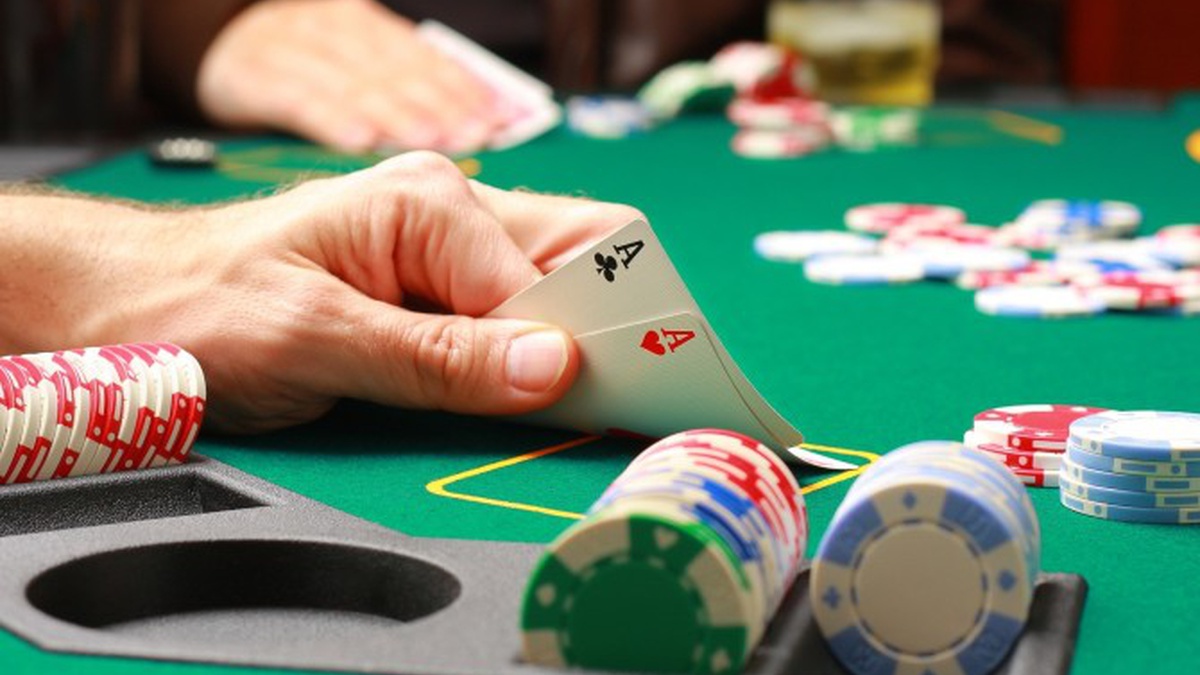
Additionally, psychological constructs such as escapism play a critical role in gambling behavior. For many, casinos offer a refuge from everyday stressors. The vibrant atmosphere, combined with the thrill of gameplay, allows individuals to momentarily escape reality. This psychological escape can create a compelling urge to continue gambling, often resulting in a cycle of behavior that can be difficult to break.
Addictive Patterns: The Role of Reinforcement
Moreover, studies indicate that near-miss scenarios—where players come close to winning but ultimately do not—can enhance a gambler’s determination to keep playing. These near-wins serve as powerful motivators, reinforcing the notion that a win could be just around the corner, leading to continued engagement in gambling behavior.
Social Influences: The Impact of Environment and Peer Pressure
Cognitive Biases: Misjudgments and Beliefs
